

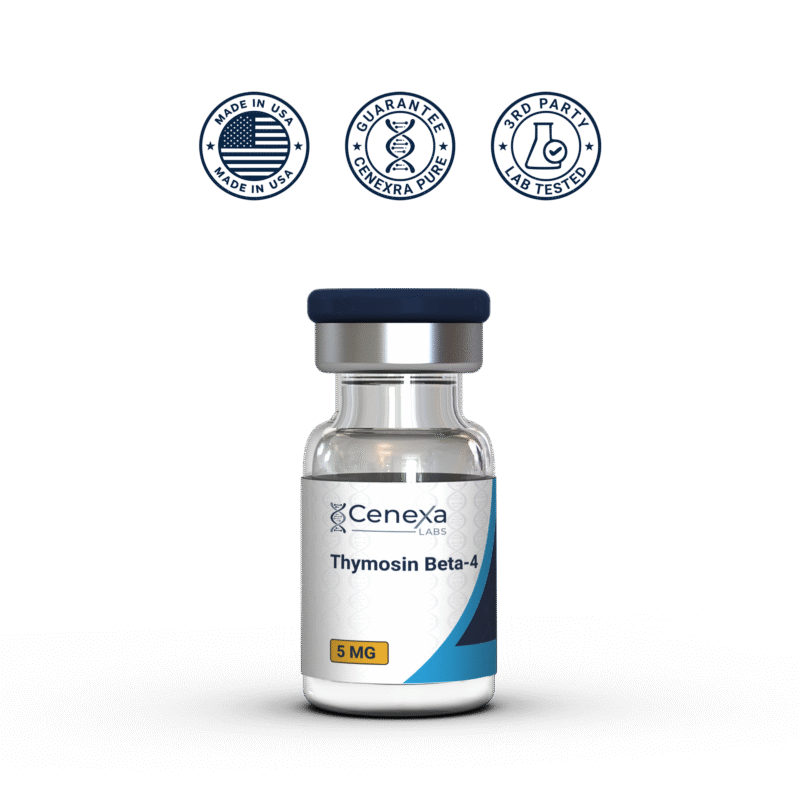
Cenexa Labs Klow: Thymosin Beta-4 Peptide Product Information
Cenexa Labs Klow – Thymosin Beta-4 Peptide Product Information
When researching specialized peptides, understanding the compound, its scientific background, and the importance of product quality is essential. Cenexa Labs Klow is the focus keyword for this product information page featuring Thymosin Beta-4, a peptide studied in various areas of biomedical research. Whether you are investigating peptide structures, reviewing published scientific literature, or comparing suppliers, reliable information should always be the starting point.
Thymosin Beta-4 is a naturally occurring peptide composed of 43 amino acids. Scientific researchers have investigated its biological activities, including its interactions with actin and its potential involvement in cellular processes. However, research findings do not automatically establish the safety or effectiveness of a peptide product for human use.
For visitors researching Thymosin Beta-4 through Cenexa Labs, it is important to distinguish between scientific background information, supplier claims, and independently verified product specifications. This approach supports better-informed research decisions and encourages responsible evaluation of peptide products.
What Is Thymosin Beta-4?
Thymosin Beta-4, also written as Tβ4, is a peptide that occurs naturally in the human body and has been investigated in laboratory and preclinical research. One of its recognized biological functions involves binding to actin, a protein that plays an important role in the structure and movement of cells.
Researchers have examined Thymosin Beta-4 in connection with cellular migration, tissue-related biological processes, and other mechanisms of interest in biomedical science. These investigations help scientists understand how particular peptides interact with biological systems.
Nevertheless, it is important to interpret this research carefully. Laboratory observations and findings from animal studies do not necessarily translate into proven benefits in humans. The results of any investigation depend on the specific compound, experimental design, study population, and conditions involved.
When evaluating Thymosin Beta-4 product information, readers should therefore prioritize accurate descriptions, traceable documentation, and a clear distinction between established scientific facts and unconfirmed claims.
Why Researchers Investigate Thymosin Beta-4
Thymosin Beta-4 has attracted scientific interest because of its biological role and its involvement in several cellular mechanisms. Understanding these mechanisms may help researchers develop further questions about cellular biology and related areas of investigation.
Cellular Biology and Actin Interaction
Actin is an essential component of the cellular cytoskeleton. It contributes to cell shape, organization, movement, and other biological activities. Thymosin Beta-4 is known for its ability to bind actin, making this interaction relevant to studies of cellular function.
Research Into Cellular Processes
Scientific literature has examined Thymosin Beta-4 in relation to cellular migration and other biological processes. These studies provide background for ongoing investigation, but they should not be interpreted as proof that an unapproved peptide product can treat injuries, accelerate recovery, or produce specific health outcomes.
Understanding Peptide Characteristics
Peptides are short chains of amino acids, and their biological properties depend on their structure, sequence, purity, and other characteristics. Researchers evaluating peptide materials must consider these factors when interpreting experimental findings.
For this reason, accurate compound identification and appropriate analytical documentation are important considerations when reviewing Thymosin Beta-4 research materials.
Where to Find Thymosin Beta-4 Product Information
People searching online for Thymosin Beta-4 often compare supplier websites, product descriptions, available documentation, and ordering policies. The product page provided for this listing is available at the following address:
Cenexa Labs product page: https://cenexalab.com/product/peptides/thymosin-beta-4-peptide/
This link identifies the requested product listing, but it should not be treated as independent verification that the website is an official manufacturer, an authorized distributor, or a supplier of clinically approved medication.
Before considering any research material, review the supplier’s identity, product labeling, applicable restrictions, and available quality documentation. Where appropriate, request information about analytical testing, batch identification, purity measurements, and storage requirements.
A professional-looking website or persuasive product description alone cannot establish product authenticity, safety, or suitability for a particular application.
Important Quality Considerations When Evaluating Peptides
Quality assessment is an important part of responsible peptide research. Buyers and laboratory professionals should examine the evidence supporting a product’s stated identity and composition rather than relying exclusively on marketing language.
Product Identity and Purity
Analytical methods can help assess whether a material corresponds to its stated identity and evaluate its purity. Depending on the material and intended laboratory application, relevant documentation may include high-performance liquid chromatography (HPLC) results and mass spectrometry data.
These methods have different purposes, and a single purity figure does not establish every aspect of product quality.
Batch-Specific Documentation
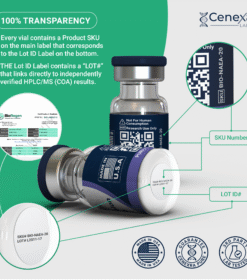
Batch-specific documentation can make it easier to trace a product to the relevant testing records. When evaluating supplier claims, determine whether certificates of analysis identify the specific batch and whether the issuing laboratory and analytical methods can be independently verified.
Storage and Handling Information
Peptide stability can be affected by environmental conditions, formulation, and handling. Product documentation should clearly communicate any applicable storage and handling requirements. Researchers should follow the relevant laboratory procedures and institutional safety policies.
Supplier Transparency
Transparent suppliers provide clear product descriptions, accessible business information, and documentation that can be checked. Avoid assuming that terms such as premium quality, laboratory tested, or high purity guarantee that a product meets a particular standard without supporting evidence.
Thymosin Beta-4: Safety and Regulatory Information
An important consideration for anyone researching Thymosin Beta-4 is its regulatory status and the limitations of available safety evidence.
The U.S. Food and Drug Administration has raised concerns about certain peptide substances, including the Thymosin Beta-4 fragment commonly known as TB-500, in the context of potential use in compounded drugs. The agency has identified concerns involving immunogenicity, aggregation, and peptide-related impurities for the fragment. The full-length Thymosin Beta-4 peptide and the TB-500 fragment are not interchangeable terms and should not be assumed to have identical properties.
Furthermore, a product being advertised online does not mean it has received FDA approval for human use. Anyone considering a peptide for a medical purpose should consult a qualified healthcare professional rather than relying on online promotional claims.
For further information, consult the FDA’s resource on substances that may present significant safety risks in drug compounding: https://www.fda.gov/drugs/human-drug-compounding/certain-bulk-drug-substances-use-compounding-may-present-significant-safety-risks
This information is particularly important when evaluating online listings that make unsupported promises about healing, recovery, performance, or other medical outcomes.
Why Accurate Product Information Matters
A useful peptide product page should do more than repeat popular search terms. It should help readers understand what the compound is, what research has investigated, which product specifications are documented, and what remains uncertain.
For people researching Cenexa Labs Klow and Thymosin Beta-4, clear documentation can help distinguish scientific information from promotional claims. Product identity, traceable testing records, transparent supplier details, and appropriate regulatory disclosures are more meaningful than unsupported guarantees.
Search engine optimization should reinforce this transparency. Relevant keywords, descriptive headings, readable paragraphs, and accurate meta information can help readers find useful information without overstating what the evidence supports.
Frequently Asked Questions About Thymosin Beta-4
What is Thymosin Beta-4?
Thymosin Beta-4 is a naturally occurring 43-amino-acid peptide studied for its interaction with actin and its involvement in various cellular processes.
Is Thymosin Beta-4 the same as TB-500?
No. TB-500 commonly refers to a synthetic fragment of Thymosin Beta-4. The fragment and the full-length peptide have different structures and should not be treated as equivalent.
Where can I find the Cenexa Labs Thymosin Beta-4 listing?
The supplied product listing is available at cenexalab.com/product/peptides/thymosin-beta-4-peptide/. Independently verify the supplier’s identity, product documentation, and applicable regulatory requirements before drawing conclusions about its status or quality.
Does online availability mean Thymosin Beta-4 is FDA-approved?
No. A product appearing on a website does not establish FDA approval, safety, effectiveness, or authorization for human use.
What documentation should be reviewed for peptide research materials?
Relevant information may include compound identity, batch-specific analytical results, purity data, storage instructions, and documentation identifying the laboratory responsible for testing.
Final Thoughts on Cenexa Labs Klow and Thymosin Beta-4
Thymosin Beta-4 remains a subject of scientific interest because of its biological functions and interactions with cellular components. For readers exploring Cenexa Labs Klow, the most valuable approach is to combine accessible product information with careful verification of supplier claims and an understanding of the scientific evidence.
Clear descriptions, relevant keywords, transparent documentation, and responsible safety disclosures make a product page more useful to both readers and search engines. Rather than relying on exaggerated promises, prioritize verifiable information and consult authoritative scientific and regulatory resources when evaluating Thymosin Beta-4.
Research and safety notice: This page is for general informational purposes only. It does not establish that the listed product is safe, effective, FDA-approved, or suitable for human consumption or administration.
Be the first to review “Thymosin Beta-4”
Related products
Peptide Blends
Bioregulators
Bioregulators
Bioregulators
Peptide capsules
Peptide capsules
Bioregulators
Peptide capsules
Reviews
There are no reviews yet.