

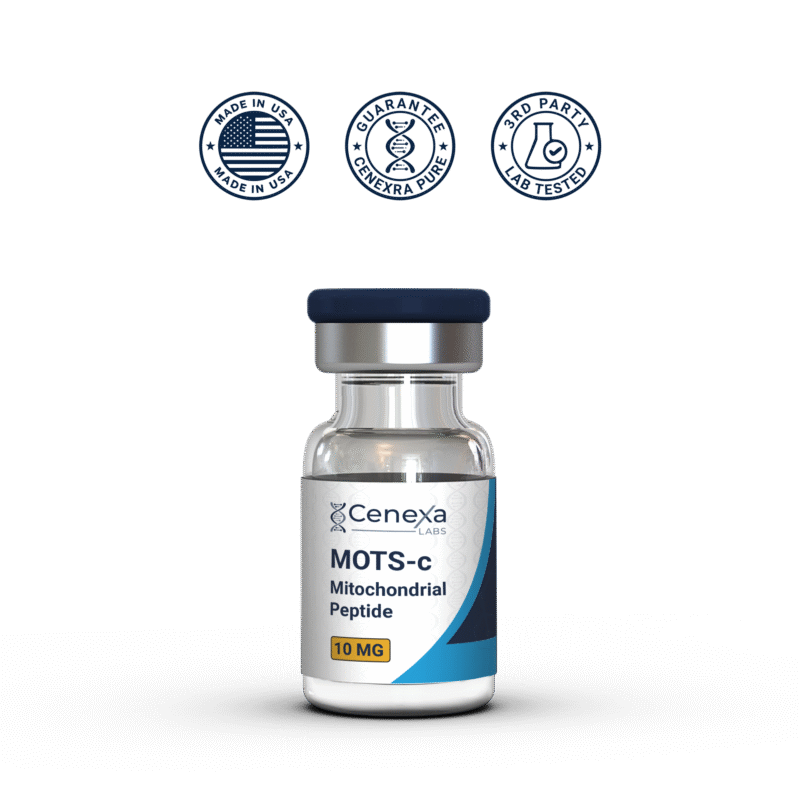
MOTS-c


Price range: $89.99 through $189.99
Explore the MOTS-c peptide research guide from Cenexa Labs Klow. Learn about scientific research, product quality, and responsible sourcing.
MOTS-c Peptide: Cenexa Labs Klow Research Product Guide
Cenexa Labs Klow – MOTS-c Peptide Research Guide
MOTS-c is a mitochondrial-derived peptide that has attracted scientific interest because of its potential role in cellular metabolism and energy regulation. For researchers exploring mitochondrial signaling, metabolic pathways, and peptide biology, understanding MOTS-c and the standards used to evaluate research materials is an important starting point.
When researching Cenexa Labs Klow, prospective laboratory customers should prioritize transparent product information, verifiable documentation, and clear distinctions between laboratory research materials and products authorized for human use. These factors support informed decisions and help researchers identify suppliers whose documentation aligns with their experimental requirements.
This guide introduces MOTS-c, explains why it has become a subject of scientific investigation, and outlines the essential quality considerations for evaluating research peptide suppliers in the United States.
Cenexa Labs Klow – Understanding MOTS-c Peptide Research
MOTS-c is a short peptide encoded by mitochondrial DNA. Scientific interest in this peptide centers on its possible involvement in metabolic regulation and cellular responses to physiological stress. Researchers investigate these pathways to better understand how mitochondrial signaling interacts with broader cellular processes.
Although early studies have generated interest, MOTS-c remains an investigational subject rather than an established treatment for metabolic disorders, weight management, athletic performance, or longevity. Research findings should be interpreted within the limits of the available evidence.
For laboratories considering MOTS-c research materials, reliable product identification and appropriate analytical documentation are essential. Product names alone do not establish identity, purity, stability, or suitability for a particular experiment.
H2: Why MOTS-c Has Attracted Scientific Interest
Mitochondria are central to cellular energy production and participate in several signaling processes. Mitochondrial-derived peptides have therefore become an area of investigation for scientists studying metabolism, cellular adaptation, and biological regulation.
MOTS-c has been examined in preclinical research involving metabolic pathways and responses to cellular stress. These investigations may help researchers formulate questions about mitochondrial communication and its relationship with other biological systems.
However, promising early findings do not establish clinical effectiveness or safety in humans. Additional rigorous research is necessary before drawing conclusions about potential medical applications.
Cenexa Labs Klow – Evaluating Research Peptide Quality
Before evaluating any MOTS-c research product associated with Cenexa Labs Klow, customers should independently verify the supplier’s identity, business information, and available product documentation.
Important quality considerations include:
- Product identity: Documentation should clearly identify the peptide and its stated specifications.
- Analytical testing: Review available certificates of analysis and determine whether the results come from an identifiable, qualified laboratory.
- Purity information: Understand what the reported purity percentage measures and which analytical method was used.
- Batch traceability: Lot numbers and batch-specific documentation help connect a product to its reported test results.
- Storage information: Review documented storage conditions, stability limitations, and handling requirements.
- Supplier transparency: Confirm the seller’s contact information, policies, and applicable research-use restrictions.
These checks provide a more reliable foundation for evaluating laboratory materials than promotional claims, testimonials, or unusually attractive prices.
Where to Find MOTS-c Research Information in the United States
Researchers in the United States can investigate MOTS-c through scientific publications, institutional research resources, and appropriately qualified laboratory suppliers.
The product page at CenexaLab.com is a reference point for reviewing the listing associated with MOTS-c. Its inclusion here does not independently verify the supplier’s official status, the accuracy of its product claims, or the availability and quality of the listed material.
Before making a purchasing decision, verify the supplier’s identity and review current documentation. Researchers should also confirm that the product’s intended use, applicable regulations, and laboratory requirements are consistent with their project.
A product described as being for research use should not automatically be considered suitable for administration to humans or animals.
Important Safety and Regulatory Considerations for MOTS-c
MOTS-c should not be treated as an established medication or a proven wellness supplement. Evidence from laboratory or animal studies cannot independently establish safety, effective dosing, or clinical benefits in humans.
Researchers should follow appropriate laboratory safety procedures and institutional requirements. Anyone considering a peptide for personal health purposes should consult a qualified healthcare professional rather than relying on seller descriptions or online testimonials.
In the United States, regulatory status depends on the product, its intended use, and the applicable legal framework. Buyers should verify relevant requirements instead of assuming that online availability establishes authorization or regulatory compliance.
Cenexa Labs Klow – Making an Informed Research Decision
Choosing research materials requires more than identifying a product name or comparing advertised prices. Clear specifications, credible analytical records, traceability, and transparent supplier information are essential considerations when evaluating MOTS-c research products.
Cenexa Labs Klow is the focus keyword for this guide, but the keyword itself should not be interpreted as evidence of supplier accreditation, product authenticity, or official distribution status. Verify those details independently before relying on any supplier.
A careful evaluation helps researchers distinguish documented product characteristics from unsupported marketing statements. It also encourages responsible research practices and more informed laboratory purchasing decisions.
Conclusion: MOTS-c Research and Supplier Transparency
MOTS-c continues to attract scientific interest because of its potential relationship with mitochondrial signaling and metabolic regulation. Nevertheless, important questions about its biological effects, clinical relevance, and safety remain unresolved.
For US-based researchers investigating MOTS-c, the strongest approach is to prioritize credible scientific evidence, verifiable product documentation, and appropriate regulatory and laboratory safeguards. Evaluating these factors carefully supports responsible research decisions while avoiding exaggerated claims about unproven health benefits.
Disclaimer: This content is for informational and research-education purposes only. It does not constitute medical advice or establish that any product is approved for human use.
| QTY | 10MG, 40MG |
|---|
Be the first to review “MOTS-c”
Related products
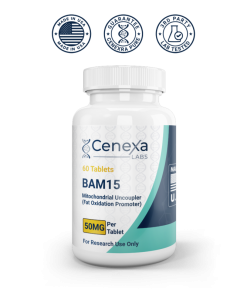
Peptide capsules

LAB SUPPLIES
LAB SUPPLIES
Bioregulators
Peptide Blends
Topical Peptides

Bioregulators
Topical Peptides
Reviews
There are no reviews yet.