

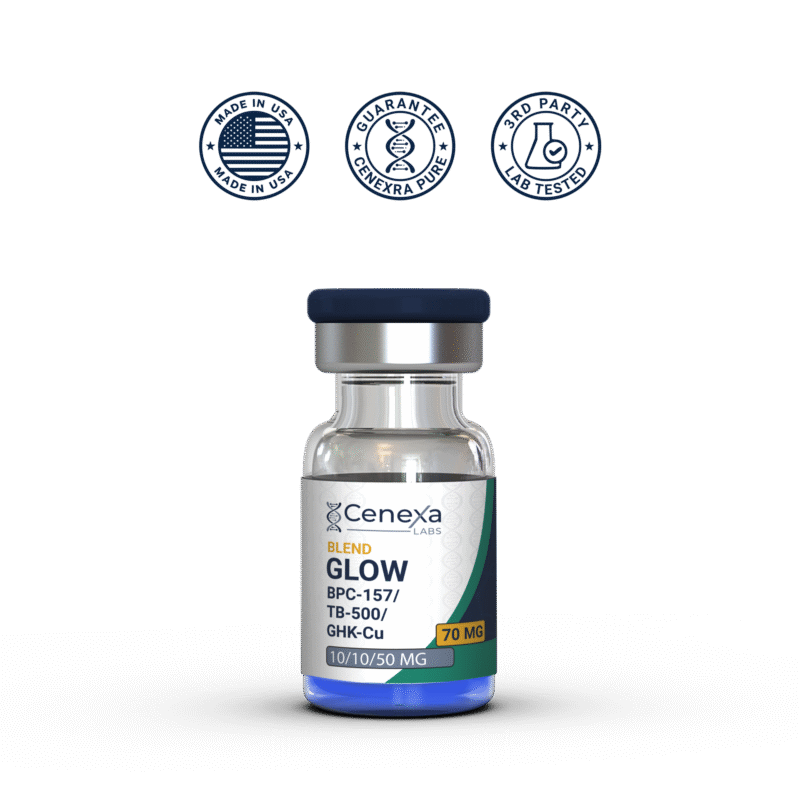
BPC-157 + TB-500 Blend | Cenexa Labs Klow Research Overview
Cenexa Labs Klow: Understanding the BPC-157 + TB-500 Blend
The BPC-157 + TB-500 Blend combines two experimental peptides that attract attention in discussions about laboratory research, peptide chemistry, and biological processes. For researchers exploring peptide-related topics, understanding the individual compounds, their scientific limitations, and the importance of reliable product documentation is essential.
When researching cenexa labs klow, it is important to distinguish between product marketing, laboratory research findings, and evidence established through properly designed clinical trials. A product description can explain the scientific background of experimental peptides, but it should not imply that a blend has proven medical benefits or is suitable for human use without adequate regulatory and clinical evidence.
Cenexa Labs is a name prospective customers may encounter when investigating peptide-related products. Before relying on any supplier’s claims, independently verify the company’s identity, the product’s specifications, the availability of appropriate analytical documentation, and the applicable legal requirements in the United States.
What Is the BPC-157 + TB-500 Blend?
The BPC-157 + TB-500 Blend refers to a preparation marketed as containing two distinct peptide-related compounds. Although both are discussed in experimental research settings, they have different scientific backgrounds and should not be treated as interchangeable substances.
BPC-157 is a synthetic peptide studied primarily in preclinical research. Published experimental investigations have explored various biological processes, but findings from animal or laboratory studies do not establish that the compound is effective or safe for treating human conditions.
TB-500 is a name associated with products related to thymosin beta-4 research. The exact identity, sequence, purity, and composition of a product sold under this name should be confirmed through appropriate analytical documentation rather than assumed from the label alone.
Combining experimental compounds does not automatically establish that they work better together. A blend requires its own reliable evidence to substantiate claims about its composition, stability, interactions, or biological effects.
For that reason, responsible evaluation begins with verified specifications and scientific evidence rather than promotional promises.
Why Cenexa Labs Klow Buyers Should Prioritize Product Transparency
People searching for cenexa labs klow may want to understand a product’s identity, documentation, and supplier reliability. These are reasonable considerations when evaluating any laboratory chemical or research material.
However, a professional-looking website or an attractive product description is not sufficient evidence of quality. Responsible evaluation should include several important checks.
1. Clear Product Identification
Reliable documentation should identify the substances represented on the label and explain the product’s stated composition. Where relevant, researchers should be able to review information about peptide identity, sequence, purity, and analytical methods.
2. Independent Analytical Documentation
A certificate of analysis may provide information about a particular batch. Check whether the document identifies the batch, specifies the tests performed, describes the analytical methods, and comes from a laboratory whose credentials can be independently assessed.
A certificate should not be interpreted as proof of sterility, clinical effectiveness, or suitability for human consumption unless the relevant testing and regulatory evidence actually support those conclusions.
3. Transparent Supplier Information
Before relying on a supplier, review its legal business identity, contact details, published terms, refund policies, and shipping restrictions. Confirm that any claims about manufacturing, testing, or regulatory compliance can be substantiated.
4. Accurate Scientific Claims
Be cautious of descriptions promising guaranteed healing, accelerated recovery, injury treatment, or other medical outcomes. Claims about experimental peptides should accurately reflect the available evidence and clearly distinguish preclinical observations from established human clinical results.
BPC-157 + TB-500 Blend: Potential Research Questions and Limitations
Interest in the BPC-157 + TB-500 Blend often centers on questions about peptide structure, biological signaling, stability, and interactions between different compounds. These topics may be appropriate for controlled laboratory investigation conducted under applicable institutional and regulatory requirements.
Nevertheless, important limitations remain. Preclinical observations cannot establish a safe or effective dose for people, and combining two experimental compounds introduces additional questions about interactions, consistency, and the effects of the finished preparation.
The safety profile of an individual compound cannot simply be transferred to a combination product. Similarly, research involving one peptide does not automatically validate claims about another peptide or a particular blend.
Anyone considering these compounds for a health condition should consult a qualified healthcare professional rather than relying on online product descriptions or seller-provided testimonials.
Where to Find Information About Cenexa Labs Klow
For readers investigating the brand and its product information, cenexalab.com is the website specified for review in this product-page brief. However, its status as the official website, its current inventory, and the authenticity or regulatory status of any listed product have not been independently verified here.
Before relying on information from the website, confirm the business’s identity and review the documentation for the specific product and batch. Also verify whether the material is legally eligible for the intended use and whether the supplier’s claims are supported by credible evidence.
In the United States, regulatory status depends on the substance, intended use, product claims, and applicable federal and state requirements. Products marketed as research materials should not automatically be assumed to be approved drugs, dietary supplements, or products suitable for human administration.
Important Safety and Regulatory Considerations
BPC-157 and products identified as TB-500 are not established, FDA-approved treatments for human injuries or other medical conditions. Their experimental status means that important questions about human safety, effectiveness, appropriate dosing, and potential adverse effects remain unresolved.
A research-use label does not establish that a substance is safe, and it does not override applicable laws or regulations. Injectable preparations raise additional concerns, including contamination, sterility, product identity, and dosing uncertainty.
Avoid treating online reviews, testimonials, or marketing language as substitutes for clinical evidence. Anyone experiencing an injury or other medical concern should seek evidence-based medical advice.
Is the BPC-157 + TB-500 Blend FDA-approved?
The combination is not an FDA-approved treatment for human medical conditions. Buyers should verify the current regulatory status of any specific product and intended use.
Where can I learn more about Cenexa Labs Klow?
You can investigate the website named in this brief, cenexalab.com, while independently checking its ownership, business credentials, product documentation, and applicable regulatory requirements. Its official status has not been verified in this description.
Does combining BPC-157 and TB-500 guarantee better results?
No. A combination does not establish superior effectiveness or safety. Reliable evidence specific to the formulation would be necessary to support such a claim.
Final Thoughts: Make an Informed Decision About Cenexa Labs Klow
The BPC-157 + TB-500 Blend is an experimental peptide combination that warrants careful scientific evaluation rather than exaggerated promises. For anyone researching cenexa labs klow, the most important considerations are transparent product identification, credible analytical documentation, substantiated claims, and compliance with applicable regulations.
Responsible research starts with evidence. Verify the supplier independently, distinguish laboratory findings from proven clinical outcomes, and do not assume that an experimental peptide is safe or effective for human use simply because it is advertised online.
An evidence-focused approach helps readers make better-informed decisions while avoiding misleading claims about unapproved experimental compounds.
Be the first to review “GLOW”
Related products
Topical Peptides
PEPTIDES
Bioregulators
Topical Peptides
Topical Peptides
Bioregulators
PEPTIDES
PEPTIDES
Reviews
There are no reviews yet.