

Cenexa Labs Klow: BPC-157 Peptide Research Information and Buying Guide
Cenexa Labs Klow: Understanding BPC-157 Peptide Research
When researching experimental peptides online, finding reliable product information and understanding quality considerations are essential first steps. Cenexa Labs Klow is the focus of this product research guide, featuring information about BPC-157, a synthetic peptide that has attracted scientific interest in laboratory research.
BPC-157 is a peptide consisting of 15 amino acids. It has been investigated primarily in preclinical studies exploring biological processes associated with tissue repair, inflammation, and gastrointestinal function. However, promising findings in laboratory experiments or animal studies do not establish that a substance is safe or effective for people.
For US consumers and research professionals exploring BPC-157 peptide information, it is important to distinguish scientific evidence from promotional claims. Responsible evaluation should include product identity, documented purity, independent analytical testing, appropriate handling information, and compliance with applicable US regulations.
What Is BPC-157 Peptide?
BPC-157 is a synthetic peptide derived from a sequence associated with a protein found in gastric juice. Researchers have investigated its potential biological effects in experimental models, including studies involving tissue-related processes and gastrointestinal research.
Interest in BPC-157 has grown because of its appearance in discussions about experimental peptide research. Nevertheless, its potential applications remain investigational, and evidence from animal studies cannot reliably predict outcomes in humans.
Consumers searching for BPC-157 peptide information in the United States should be cautious about websites that advertise guaranteed recovery, pain relief, muscle growth, or other health benefits without appropriate clinical evidence. Such claims can create unrealistic expectations and may misrepresent the current state of scientific knowledge.
Where Can You Buy BPC-157 Online?
People searching for where to buy BPC-157 online should begin by assessing the legitimacy, transparency, and regulatory compliance of any supplier they encounter.
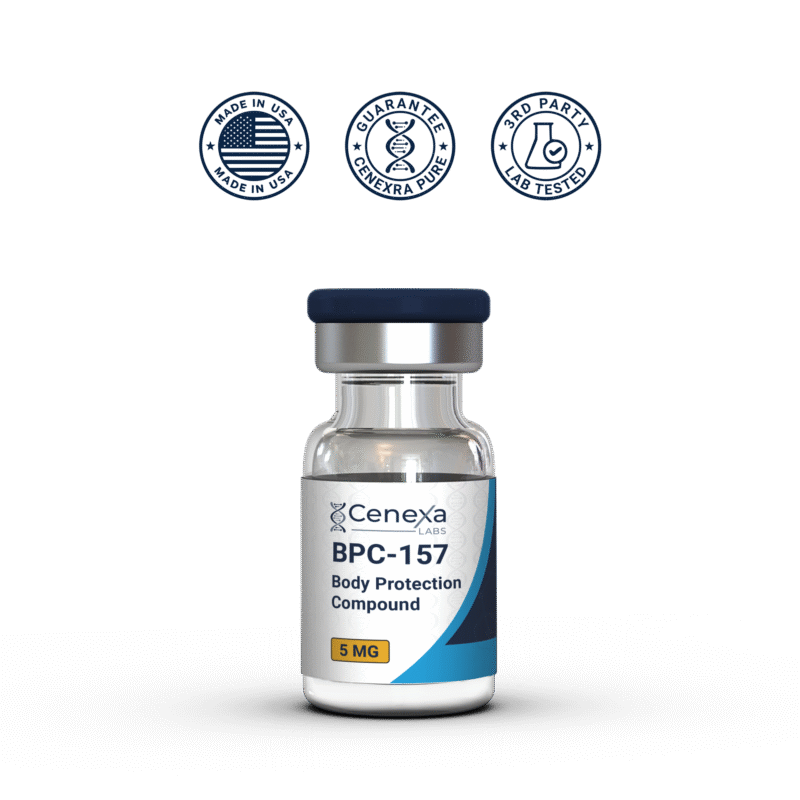
The website CenexaLab.com is a product page that readers can review for information about BPC-157. Before making a purchasing decision, independently verify the company’s identity, product documentation, terms of sale, and whether the intended use is lawful.
A professional-looking website or a product listing alone does not establish that a product is authentic, independently tested, safe for human use, or approved by the US Food and Drug Administration (FDA).
When reviewing a peptide supplier, consider the following factors:
- Independent laboratory documentation: Look for a batch-specific certificate of analysis and verify that the testing laboratory and reported results are credible.
- Product identity: Documentation should identify the substance tested and explain the analytical methods used.
- Purity and contamination testing: Understand what the reported results measure and whether testing addresses relevant impurities and contaminants.
- Business transparency: Check for verifiable business details, clear policies, and a reliable method of contacting the seller.
- Regulatory compliance: Determine whether the product’s marketing, intended use, sale, and shipment comply with applicable federal and state requirements.
- Evidence-based descriptions: Be wary of unsupported claims about medical benefits, guaranteed outcomes, or suitability for human consumption.
These precautions can help readers evaluate product information more critically without assuming that any supplier has been independently endorsed.
BPC-157 Peptide Quality and Laboratory Testing
Quality assurance is an important consideration when evaluating materials intended for legitimate scientific research. Product descriptions may advertise high purity, but such statements should be supported by suitable analytical documentation rather than accepted at face value.
A certificate of analysis may report results from methods such as high-performance liquid chromatography (HPLC) or mass spectrometry. These methods can contribute to evaluating a sample’s purity profile and molecular identity, although no single test automatically establishes every aspect of product quality.
It is also important to understand the limits of laboratory documentation. A purity result does not establish clinical safety, demonstrate therapeutic effectiveness, or prove that a product is suitable for injection or another form of human administration.
For researchers evaluating BPC-157, transparent documentation and appropriate laboratory oversight are more meaningful than exaggerated advertising or unsupported promises.
Important BPC-157 Safety Considerations
Despite the attention BPC-157 receives online, reliable evidence establishing its safety and effectiveness in humans remains insufficient. It should not be treated as an established treatment for injuries, chronic pain, digestive disorders, or other medical conditions.
Potential risks may include unknown adverse effects, uncertain dosing, contamination, incorrect product labeling, and complications associated with unapproved administration. Products sold online may also vary in composition and quality.
In the United States, regulatory status depends on the product, its intended use, and applicable laws. A designation such as “research use only” does not automatically make every sale or use lawful, nor does it establish safety.
Anyone considering an experimental peptide for a health condition should consult a qualified healthcare professional rather than relying on marketing claims or online testimonials. Individuals conducting laboratory research should follow applicable institutional, laboratory, and regulatory requirements.
Why Reliable Information Matters When Evaluating Cenexa Labs Klow
Searching for Cenexa Labs Klow should involve more than comparing product prices or reading promotional descriptions. Reliable purchasing decisions begin with verifiable information about the supplier, the substance, and the intended use.
Readers can use the Cenexa Labs BPC-157 product page as a starting point for reviewing the information presented by the seller. However, claims about official authorization, independent testing, product quality, or regulatory compliance should be verified separately.
A careful evaluation should answer three important questions:
- Is the product’s identity supported by credible documentation?
- Are quality and testing claims independently verifiable?
- Is the proposed purchase and intended use consistent with applicable regulations and established safety guidance?
Taking these steps supports a more informed approach to experimental peptide research and helps distinguish documented facts from unsubstantiated promotional language.
Final Thoughts on Cenexa Labs Klow and BPC-157
BPC-157 remains an experimental peptide that requires substantially more reliable human research before its safety and potential therapeutic applications can be established. Although online interest continues to grow, scientific curiosity should be balanced with careful evaluation and realistic expectations.
For readers researching Cenexa Labs Klow in the United States, the Cenexa Labs product page provides a place to begin reviewing the seller’s published information. Verify the supplier’s identity, laboratory documentation, and regulatory compliance before drawing conclusions about product quality or suitability.
The most responsible approach to BPC-157 is to prioritize verifiable evidence, transparent documentation, and safety over bold marketing promises. In experimental peptide research, accurate information is essential for making well-informed decisions.
Research note: This content is informational and does not constitute medical advice, a recommendation for human use, or an endorsement of a supplier. BPC-157 is not an FDA-approved drug for treating medical conditions.
| QTY | 5MG, 10MG |
|---|
Be the first to review “BPC-157”
Related products
LAB SUPPLIES
Topical Peptides
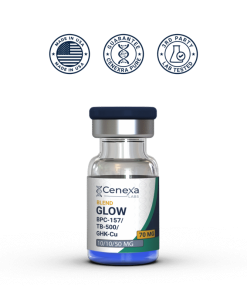
Peptide Blends
PEPTIDES
peptide spray
Topical Peptides
PEPTIDES
Peptide Blends
Reviews
There are no reviews yet.